
Components of Cybersecurity
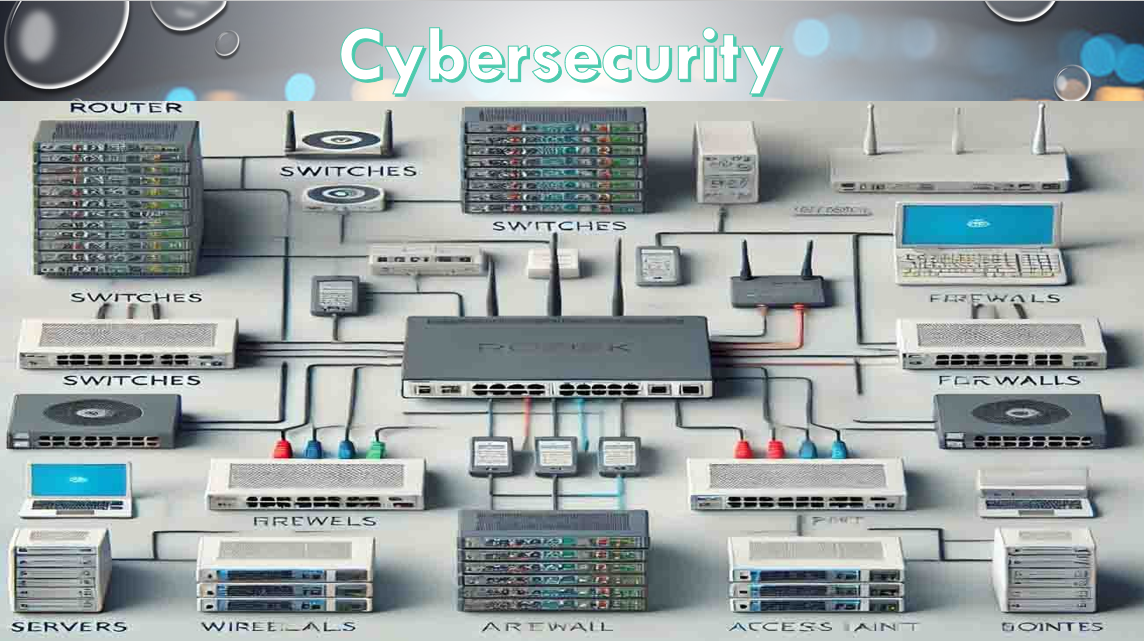
- Network Security: Protects the integrity and usability of computer networks by preventing unauthorized access, attacks, or misuse.
- Application Security: Ensures software and applications are secure from vulnerabilities through regular updates, secure coding, and testing.
- Information Security: Focuses on protecting data’s confidentiality, integrity, and availability using encryption, access controls, and backup strategies.
- Operational Security (OpSec): Involves managing and protecting processes and decisions related to data storage, sharing, and access.
- Disaster Recovery and Business Continuity: Ensures systems and operations can recover quickly and continue functioning after a cybersecurity incident.
- End-User Education: Educates individuals to recognize threats like phishing, avoid risky behavior, and follow safe online practices.
- Identity and Access Management (IAM): Ensures only authorized users have access to specific systems, resources, or data.
- Cloud Security: Protects data and systems stored in cloud environments from breaches and unauthorized access.
1. Network Security
Definition: Network security focuses on securing a computer network’s infrastructure from unauthorized access, misuse, or attacks.
Key Features:
- Firewalls to filter traffic.
- Intrusion Detection Systems (IDS) and Intrusion Prevention Systems (IPS).
- Virtual Private Networks (VPNs) for secure remote connections.
2. Application Security
Definition: Ensures that applications are free of vulnerabilities and protected against cyber threats during development and deployment.
Key Features:
- Secure coding practices.
- Regular security patches and updates.
- Penetration testing.
3. Information Security
Definition: Protects the confidentiality, integrity, and availability of data across systems and processes.
Key Features:
- Encryption of data in transit and at rest.
- Access controls and permissions.
- Secure backup systems.
4. Operational Security (OpSec)
Definition: Focuses on protecting critical information and ensuring secure processes when handling sensitive data.
Key Features:
- Risk management and threat assessments.
- Data handling policies.
- Employee awareness of security protocols.
5. Disaster Recovery and Business Continuity
Definition: Focuses on how an organization recovers from cyber incidents and ensures continuous operation during crises.
Key Features:
- Backup and restoration plans.
- Redundant systems to minimize downtime.
- Crisis communication plans.
6. End-User Education
Definition: Educates users to recognize cyber threats and adopt safe practices.
Key Features:
- Phishing awareness training.
- Safe browsing practices.
- Strong password creation.
7. Identity and Access Management (IAM)
Definition: Manages user identities and controls access to systems and resources.
Key Features:
- Multifactor Authentication (MFA).
- Role-Based Access Control (RBAC).
- Biometric or token-based authentication.
8. Cloud Security
Definition: Protects data, applications, and systems hosted in cloud environments.
Key Features:
- Secure APIs for communication.
- Encryption of cloud-stored data.
- Access management and monitoring.

Support Us
Contact UsnnSupport Center
Contact Us
mouali.rachid@yahoo.comnn+1-216-334-377
Copyright © 2025 Rachid Mouali All Rights Reserved.